
Interior Decorators
What is Interior Design?
Interior Design is the art and science of enhancing the interior of a space to create a more aesthetically pleasing, functional, and harmonious environment for the people using it. It involves planning, designing, and executing layouts, color schemes, furniture placement, lighting, and decorative elements to transform spaces—whether residential, commercial, or industrial.
A skilled interior designer blends creativity with practicality, ensuring that the space not only looks beautiful but also serves the needs and lifestyle of its occupants. The goal is to create interiors that are not only visually appealing but also safe, comfortable, and efficient.
Key Elements of Interior Design
1. Living Room Design
The living room serves as the centerpiece of any home—a space where families gather, guests are welcomed, and most of the day-to-day living unfolds. Interior decorators pay special attention to this area, starting with thoughtful furniture layout, carefully chosen upholstery, and layered lighting schemes to create a warm and sophisticated ambiance. From statement wall art and coffee tables to cozy throws and rugs, every detail is curated to balance functionality and beauty. Depending on the client's taste, the room may follow a modern, traditional, bohemian, or fusion theme, making it not only comfortable but also expressive of personal style.
2. Bedroom Decoration
Bedrooms are deeply personal spaces that reflect individual preferences, moods, and lifestyles. Decorators ensure that each bedroom is a perfect blend of comfort and character. Soft textures, ambient lighting, plush bedding, and soothing color schemes set the tone for relaxation. Meanwhile, functional needs are met through customized wardrobes, bedside tables, hidden storage, and vanity areas. Some rooms may also include reading corners, gallery walls, or accent furniture that adds personality. Each element is chosen to promote calmness, quality rest, and a sense of retreat from the outside world.
3. Kitchen Interior Design
Modern kitchen design has evolved beyond utility into an aesthetic statement. Interior decorators take a detail-oriented approach to plan the ideal kitchen—optimizing workflow through the "kitchen triangle," selecting premium materials, and integrating innovative storage solutions. Modular cabinetry, intelligent lighting, stylish hardware, built-in appliances, and thoughtfully chosen tiles all come together to create a space that is as functional as it is visually appealing. Whether compact or spacious, every kitchen is customized to meet the needs of the family while elevating the cooking experience.
4. Dining Area Styling
Dining spaces are more than just areas for meals—they are places where families bond and guests are entertained. Interior decorators craft dining areas that feel intimate and elegant. Choices around table design, seating style, chandeliers or pendant lights, and complementary side units or crockery cabinets are made based on the overall interior theme. The backdrop often includes textured walls, mirrors, or art that enhances the atmosphere. The space is designed to flow naturally from adjacent areas like the living room or kitchen, creating a cohesive look and experience.
5. Bathroom Interiors
Once overlooked, bathrooms are now treated as wellness zones. Decorators design bathrooms that combine luxury with efficiency—selecting non-slip flooring, water-resistant cabinetry, and ambient lighting to enhance comfort. Floating vanities, backlit mirrors, glass partitions, designer faucets, and unique tile patterns give the bathroom a high-end feel. In larger homes, decorators may even incorporate spa-like features such as soaking tubs, rain showers, or aroma diffusers, turning an ordinary bathroom into a private sanctuary.
6. Entryways and Foyers
The entrance of a home is its first impression, and decorators ensure it makes a lasting one. Whether grand or modest in size, foyers are designed with elegant elements such as console tables, sculptures, framed art, mirrors, statement lighting, and shoe cabinets that marry beauty and utility. Flooring patterns, ceiling details, and color schemes are carefully chosen to reflect the theme of the rest of the home. A thoughtfully designed entryway sets the tone and creates a welcoming transition into the main living areas.
7. Balcony and Terrace Makeovers
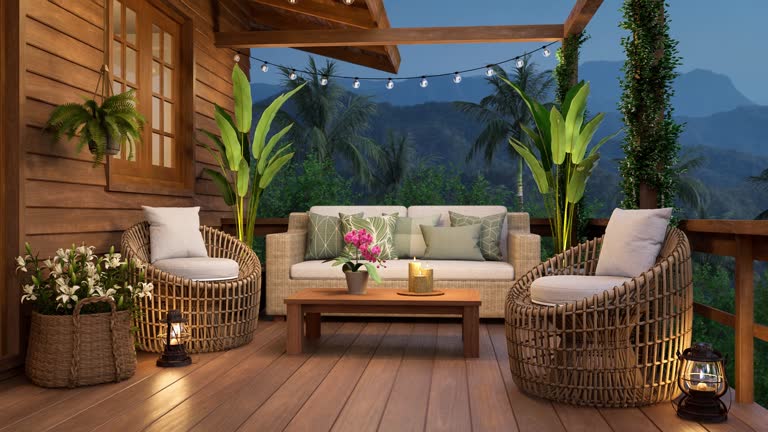
Urban homes often lack a connection to nature, and well-designed balconies or terraces can make up for it. Interior decorators transform these spaces into cozy retreats, green corners, or even small outdoor lounges. Using wooden decking, artificial grass, weatherproof seating, fairy lights, planters, and pergolas, they create areas perfect for relaxation, reading, or even yoga. These spaces become a breath of fresh air—literally and figuratively—offering peace within the confines of home.
8. Home Office and Study Room
With remote work and virtual learning becoming the norm, decorators have started to emphasize functional and inspiring workspaces within the home. Home offices and study rooms are designed with ergonomic furniture, natural lighting, and storage that enhances productivity. Thoughtful details like soundproofing, task lighting, and motivational decor help maintain focus. These spaces are tailored to the individual’s work style, ensuring comfort and professionalism even in a home environment.
9. Kids’ Room Design
Children’s rooms are creative canvases where function meets fun. Decorators consider safety, flexibility, and imagination when designing these spaces. Themed walls, interactive furniture, playful lighting, and accessible storage help make the room enjoyable and functional. As children grow, their needs change, so the design allows for adaptability—such as convertible beds, study nooks, and neutral color bases that can evolve with changing tastes and stages of life.
10. Pooja Room / Prayer Area
Spiritual spaces in a home deserve thoughtful design. Whether a separate room or a quiet corner, pooja areas are created to evoke peace and sanctity. Decorators use calming color palettes, traditional motifs, marble or wood mandir units, and focused lighting to create a tranquil atmosphere. Elements like incense drawers, bell holders, and brass idols are carefully arranged to preserve tradition while fitting seamlessly into modern interiors.
11. Hallways and Corridors
Often overlooked, hallways are transitional spaces that can be brought to life with design. Decorators use mirrors, lighting strips, wall textures, or gallery-style photo displays to add interest. Built-in storage or niches can also be added for functionality. With the right touches, even narrow corridors can become stylish and engaging pathways that enhance the overall flow of the home.
12. Ceiling and False Ceiling Work
Ceilings, the "fifth wall" of a room, offer immense design potential. False ceilings not only conceal wiring and lighting but also add depth and dimension. Interior decorators use gypsum, POP, wooden beams, and LED profiles to create layered ceiling designs that match the theme of each room. Cove lighting, spotlights, or decorative cutouts make the ceiling a statement piece in itself.
13. Flooring Solutions
Flooring forms the foundation of the interior ambiance. Decorators choose materials based on room function, design style, and durability—ranging from marble and vitrified tiles to hardwood, laminates, and vinyl. Accent rugs and carpets are used to define zones and add texture. Color tones and textures are selected to harmonize with walls, furniture, and lighting, bringing the entire space together seamlessly.
14. Wall Treatments and Finishes
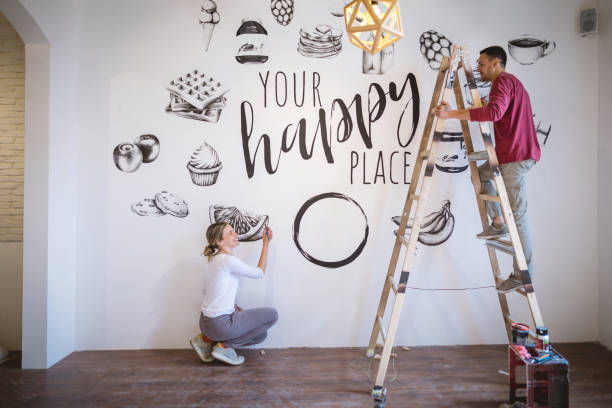
Walls can be powerful design elements when treated creatively. Decorators use textured paints, designer wallpapers, wood panels, fabric cladding, stone finishes, and even metal accents to create focal points. Feature walls can transform the identity of a room and are often used behind beds, sofas, or in entryways. Murals, decals, and art installations also bring character and narrative to the walls.
15. Custom Storage & Utility Spaces
Smart storage is at the heart of good design. Decorators integrate built-in units, under-bed storage, lofts, wardrobes with internal organizers, and concealed cabinets to keep spaces clutter-free. Utility rooms for laundry or cleaning supplies are designed for maximum efficiency. From hidden compartments to open shelving, each solution is designed to enhance everyday living without compromising the overall aesthetic.